Discover Culture, Nature & Himalayan Wonders
+1 (401) 328 1478 (Call/WhatsApp) info@auratrails.com


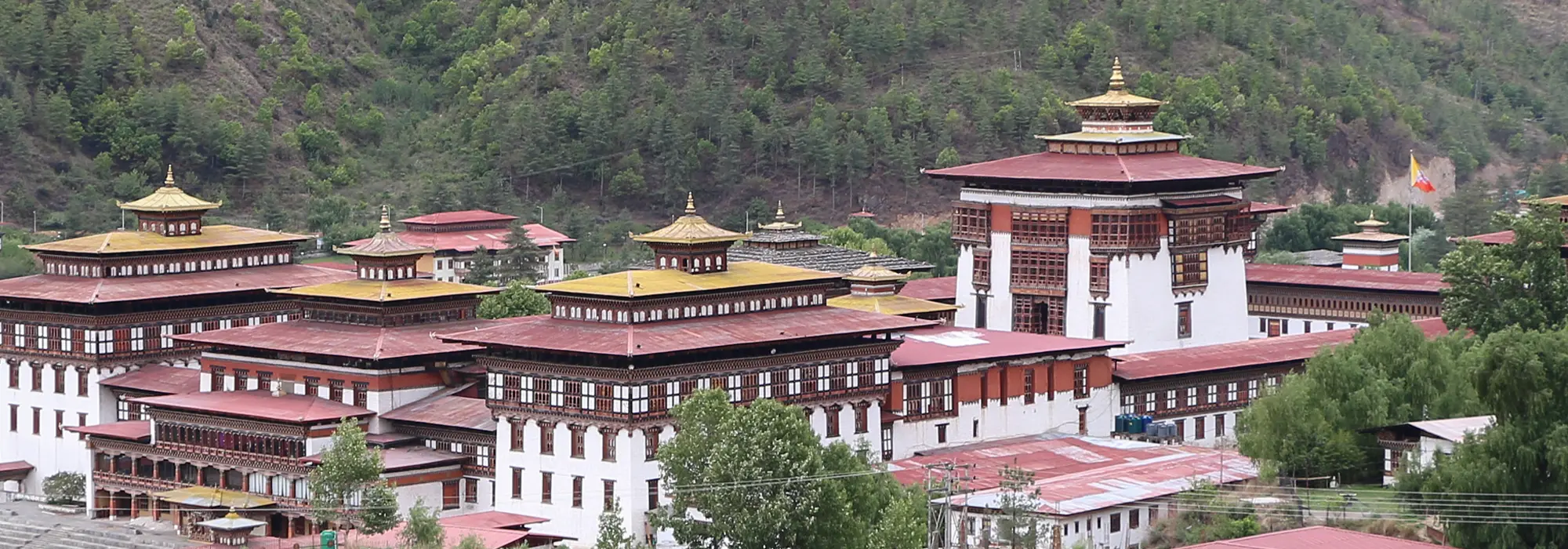

Discover Culture, Nature & Himalayan Wonders
Bhutan Explore Tour Packages is exploring the prime locations in Bhutan, including the remote corners of the land of the thunder dragon. The tour allows you to witness pristine landscapes and unique cultures and traditions, pay a visit to the ancient monasteries and temples, and go on day hikes to the most beautiful locations in Bhutan, like Khansum Chorten-Punakha, the Gangtey Nature Trail, and the ever-popular hike to the Taktsang Monastery’s “Tiger’s Nest”, located at 3120 meters on the outskirts of Paro Town.
After exploring around the colorful Paro, Thimphu—the tiny capital, Punakha—the old capital, and Gangtey ‘Phobijikha Valley’—one of the most beautiful valleys in Bhutan, the tour proceeds to Central Bhutan toward Bumthang Valley.
Bhutan’s cultural heartland, Bumthang, is home to some of the oldest monasteries and temples. Bumthang consists of the Chumey, Choekhar, Tang, and Ura Valleys. In Bumthang, visit the old monasteries like Kurje Lhakhang, Jambey Lhakhang, Tamshing Lhakhang, and Jakar Dzong.
The next day, embark on a day trip to the Tang Valley, one of Bumthang’s most secluded valleys, before returning to Bumthang. You will have to pass through Membartsho—the burning lake—to get to Tang. Afterwards, trace the same route back to Paro, passing over Gangtey, Wangdue, and Dochula Pass en route, visiting the Haa Valley closer to the Paro town.
All in all, the Bhutan Explore Tour is about exploring western and central Bhutan, observing the daily lives of people living in the high Himalayas, visiting the oldest monasteries and temples, and basically seeing the best Bhutan has to offer in around a 13-day programme.
Your journey begins with a spectacular flight into Paro, offering breathtaking views of the Himalayas, including Mount Everest and sacred Bhutanese peaks. Your guide will greet you upon arrival and transfer you to your hotel. Depending on your arrival time, enjoy an orientation walk around Paro town, a quaint valley filled with traditional architecture, vibrant shops, and local markets.
If time permits, visit Paro Rinpung Dzong, an impressive fortress monastery that serves as the district’s administrative and religious centre, and the National Museum (Ta Dzong), home to centuries-old artifacts. Stroll through peaceful surroundings to acclimatise and absorb the tranquil atmosphere that defines Bhutan. This first day sets the tone for your journey, blending culture, spirituality, and scenic landscapes.
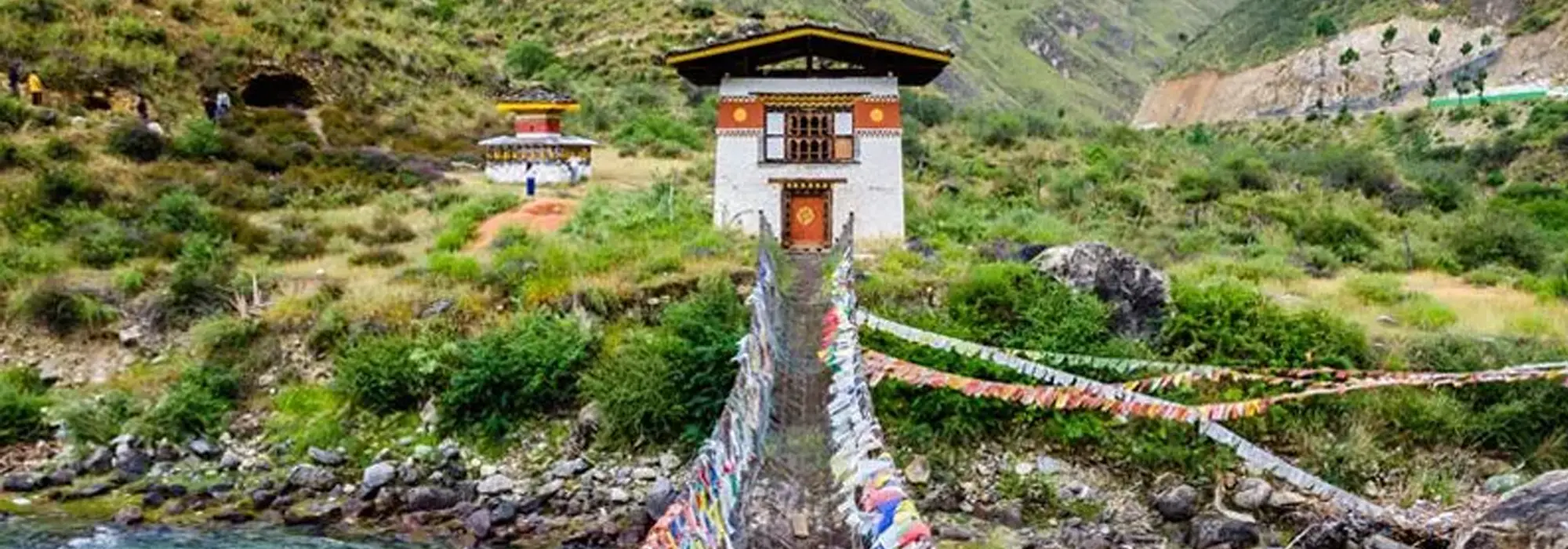
After breakfast, drive to Bhutan’s charming capital, Thimphu, a journey of about two hours. En route, stop at Tamchog Lhakhang, built by the legendary iron bridge builder Thangtong Gyalpo, where you may cross his historic chain bridge. Upon arrival, explore Thimphu’s landmarks, beginning with the majestic Buddha Dordenma Statue, one of the tallest in the world, offering panoramic views of the valley.
Visit the National Memorial Chorten, a spiritual stupa where locals come for daily prayers, and the impressive Tashichho Dzong, seat of Bhutan’s government and monastic body. Depending on time, browse the Crafts Bazaar or visit the Textile Museum, showcasing Bhutan’s traditional weaving art. Thimphu provides a perfect balance of tradition and modernity, making your first full day in Bhutan both cultural and scenic.
Begin your day with a drive to Punakha, the former capital of Bhutan. The journey crosses Dochula Pass (3,100 m), adorned with 108 memorial chortens, prayer flags, and sweeping views of the Himalayan ranges on a clear day. Descend into the subtropical Punakha Valley, where the climate is warmer and landscapes are lush.
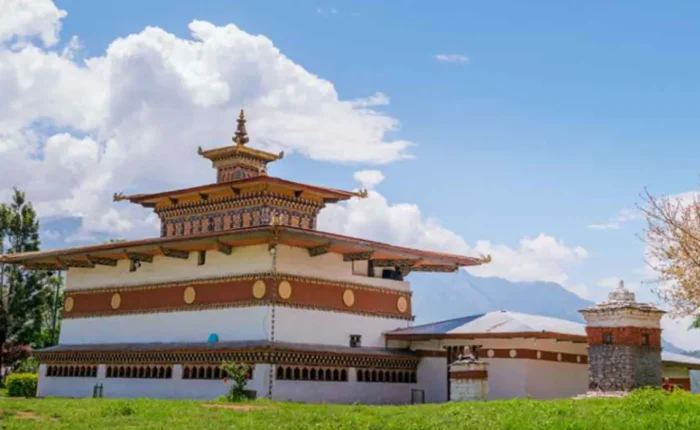
Visit the spectacular Punakha Dzong, considered the most beautiful fortress in Bhutan, sitting at the confluence of the Pho Chhu and Mo Chhu rivers. A short walk across a suspension bridge leads to Chimi Lhakhang, the Temple of Fertility, which is associated with the revered “Divine Madman”. This day offers a rich combination of spirituality, nature, and history, giving you insight into Bhutan’s religious traditions and architectural beauty.
After breakfast, embark on a scenic hike to Khamsum Yulley Namgyal Chorten, perched on a hill overlooking the Punakha valley. This 1–2 hour moderate trek takes you through lush paddy fields, small villages, and streams, offering glimpses of rural Bhutanese life. The chorten itself is a masterpiece of Bhutanese architecture, built to promote peace and harmony.
After the hike, drive to Gangtey Valley, home to the rare Black-necked cranes during winter, and the picturesque Phobjikha Valley, surrounded by pine forests and rolling hills. The evening is free to explore the serene valley, enjoy the crisp mountain air, and take in the spectacular views. Gangtey’s tranquil environment offers a perfect contrast to the busier valleys, making it an ideal stop for nature lovers and photographers.
Spend the day exploring the natural and cultural beauty of Gangtey Valley. Begin with the Gangtey Nature Trail, a 3–4 hour guided hike through forests, wetlands, and traditional villages. This walk provides an up-close experience of Bhutanese rural life and the valley’s rich biodiversity.
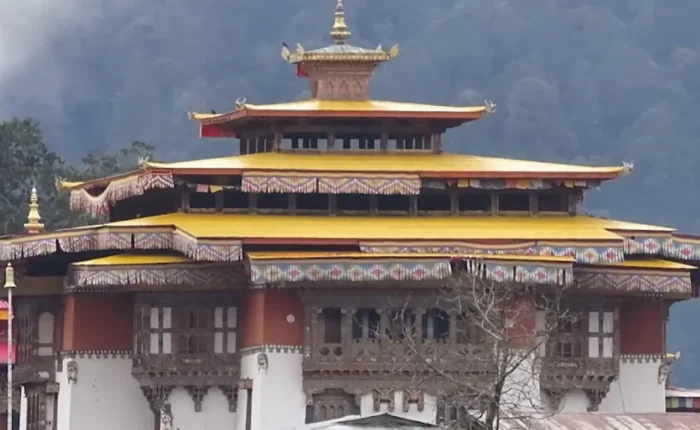
Birdwatchers can spot black-necked cranes, herons, and other migratory species (seasonal). Later, visit Gangtey Monastery, the main religious center of the valley, famous for its majestic architecture and peaceful surroundings. The day is filled with opportunities for photography, relaxation, and appreciating Bhutan’s serene landscapes.
After breakfast, drive to Bumthang, the spiritual heartland of Bhutan, famous for its ancient temples and monasteries. The journey winds through mountainous terrain, quaint villages, and dense forests, providing spectacular Himalayan vistas. Upon arrival, check into your hotel and prepare for an afternoon of exploration.
Visit Jakar Dzong, known as the “Castle of the White Bird,” which dominates the townscape and serves as a religious and administrative center. Explore the nearby Jambay Lhakhang and Kurjey Lhakhang, ancient temples where spiritual legends are deeply embedded in Bhutanese history. Bumthang’s rich culture and tranquil environment make it a perfect place to immerse yourself in Bhutanese spirituality and heritage.
Spend a full day exploring Bumthang Valley, considered the cradle of Bhutanese civilization. Visit Tang Valley, home to ancient monasteries and scenic villages. Explore Mebar Tsho (Burning Lake), a sacred site believed to contain hidden treasures and spiritual energy. Walk through traditional villages and interact with locals practicing age-old crafts.
This day is dedicated to experiencing the spiritual essence of Bhutan, with visits to temples, monasteries, and sacred sites, offering insight into Bhutanese religious and cultural practices. Nature lovers can enjoy the pristine landscapes, rolling hills, and vibrant flora of the region. Bumthang’s combination of history, spirituality, and natural beauty makes it a highlight of your Bhutan journey.
After breakfast, take a scenic drive to Ura Valley, a remote and picturesque region of Bumthang. The journey passes through forests, meadows, and small villages, offering a glimpse of authentic rural Bhutanese life. Ura is renowned for its traditional wooden houses and Ura Lhakhang, a centuries-old monastery adorned with intricate frescoes.
Explore the valley on foot, meeting local villagers, observing traditional farming practices, and enjoying panoramic views of the surrounding mountains. In the afternoon, return to Bumthang for a relaxing evening at your hotel, reflecting on the day’s serene and cultural experiences.
After breakfast, begin your return journey to Gangtey Valley, retracing some of the scenic routes you travelled earlier. Enjoy the changing landscapes as you descend from Bumthang’s higher altitudes into the lush valleys of central Bhutan. En route, stop at local villages to experience traditional Bhutanese village life and interact with friendly locals.
Once in Gangtey, revisit the Phobjikha Valley, famous for its serene landscapes and, in winter, as a habitat for the endangered black-necked cranes. The valley is perfect for photography, nature walks, and relaxation. Spend the evening absorbing the tranquil environment and enjoying the crisp mountain air. Gangtey’s quiet charm provides a peaceful respite, allowing you to reflect on your spiritual and cultural journey through Bhutan’s heartlands.
After breakfast, drive back to Thimphu, passing through rolling hills, forests, and picturesque villages. On arrival, check into your hotel and begin exploring the city’s remaining highlights. Visit the Folk Heritage Museum to learn about traditional Bhutanese rural life, and explore the National Library, which houses ancient Buddhist texts.
Depending on your interests, you may also visit local markets or the Crafts Bazaar for souvenirs. Thimphu perfectly blends tradition and modernity, offering opportunities to witness religious practices, contemporary life, and artisan crafts in one vibrant city. The evening is free to relax, enjoy Bhutanese cuisine, or take a stroll through the serene streets.
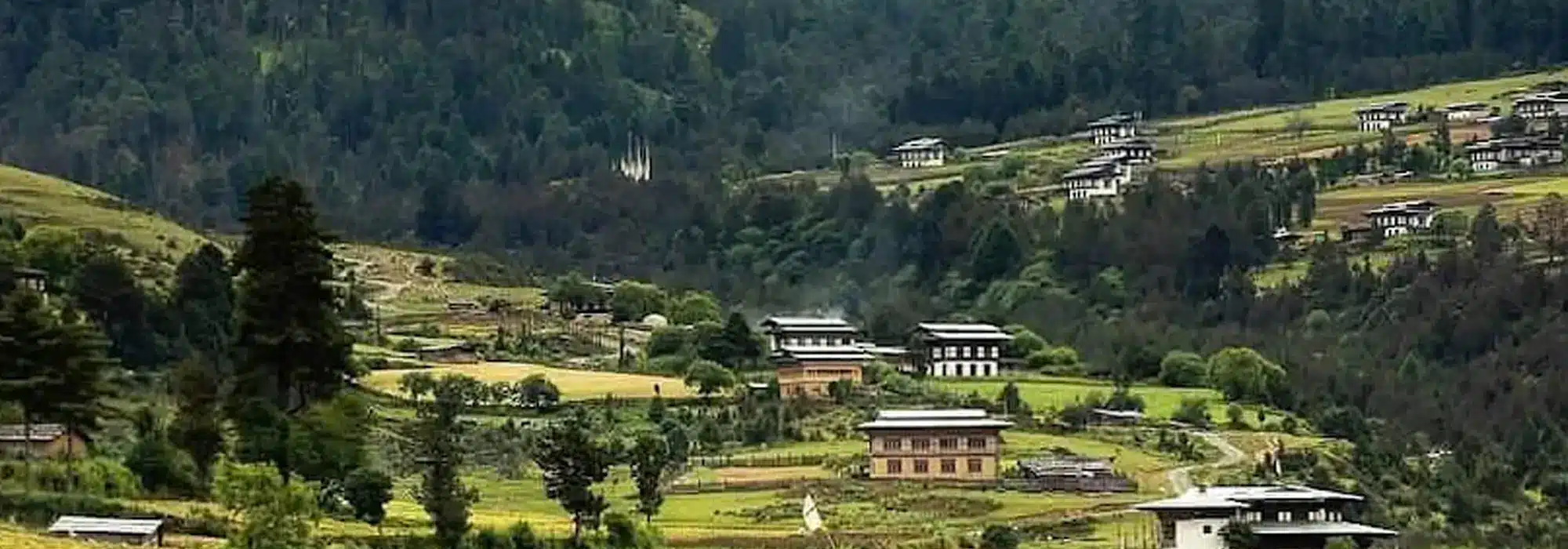
After an early breakfast, embark on a full-day excursion to the Haa Valley, one of Bhutan’s most pristine and off-the-beaten-path regions. The drive offers stunning mountain vistas, traditional villages, and lush forests. Explore Haa town, with its charming temples and local markets, and take in the valley’s serene ambiance.
In the afternoon, return to Paro, descending through winding roads surrounded by Himalayan landscapes. This day offers a mix of adventure, culture, and photography opportunities, with Haa Valley providing a rare glimpse of Bhutanese rural life untouched by mass tourism.
Today is the highlight of your Bhutan journey: the hike to Taktsang Monastery, famously known as the Tiger’s Nest, perched dramatically on a cliffside 900 metres above the Paro Valley. The moderate 3–4 hour hike passes through pine forests, prayer flags, and small streams, offering panoramic views of the valley and surrounding peaks.
Upon reaching the monastery, explore its sacred temples, shrines, and meditation halls, learning about its legend as the meditation site of Guru Rinpoche, who is said to have flown here on the back of a tiger. After soaking in the spiritual atmosphere, descend to Paro and enjoy a relaxing evening reflecting on the journey’s highlights.
After breakfast, enjoy your final morning in Paro. Depending on your flight schedule, you may have time for a short stroll, souvenir shopping, or a visit to local temples. Your guide will transfer you to Paro International Airport for your departure, marking the end of an unforgettable journey through Bhutan’s culture, spirituality, and natural beauty. Take home memories of majestic monasteries, serene valleys, and the warm hospitality that makes Bhutan truly unique.
| No. of Pax | Starting Price | Enquiry |
| 1 pax | USD 1050 per person | Send Enquiry |
| 2 to 5 pax | USD 950 per person | Send Enquiry |
| 6 to 8 pax | USD 875 per person | Send Enquiry |
| 9 to 10 pax | USD 795 per person | Send Enquiry |