+1 (401) 328 1478 (Call/WhatsApp) info@auratrails.com

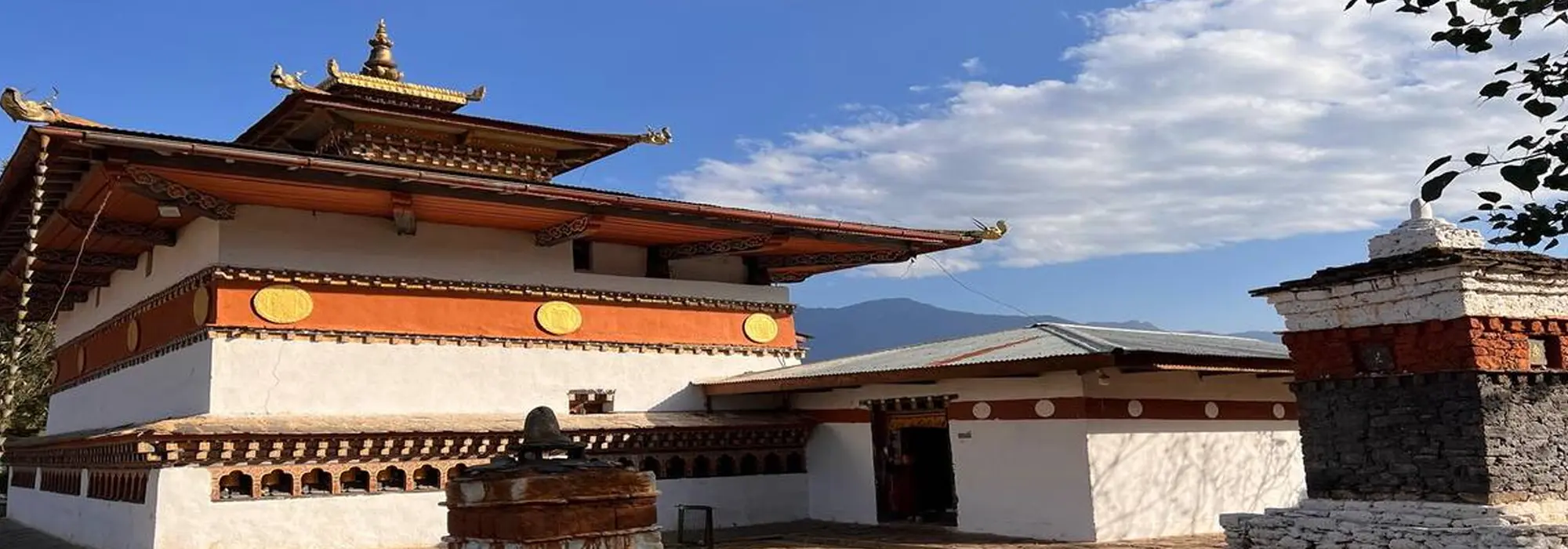
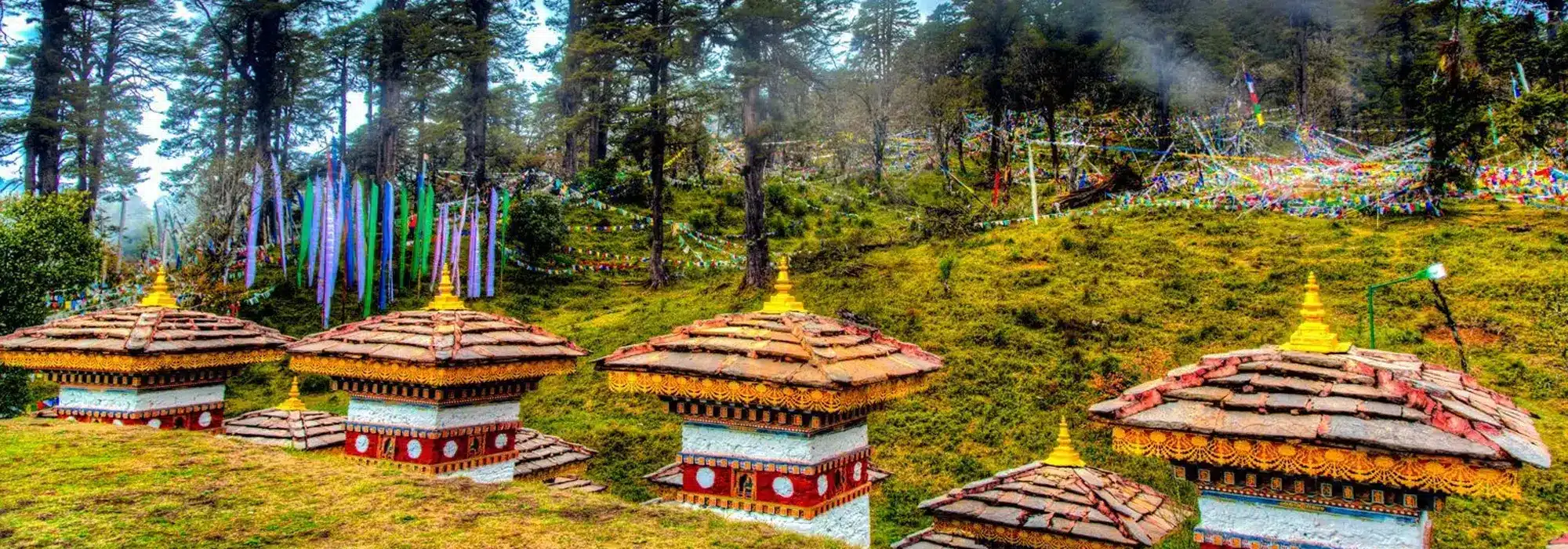

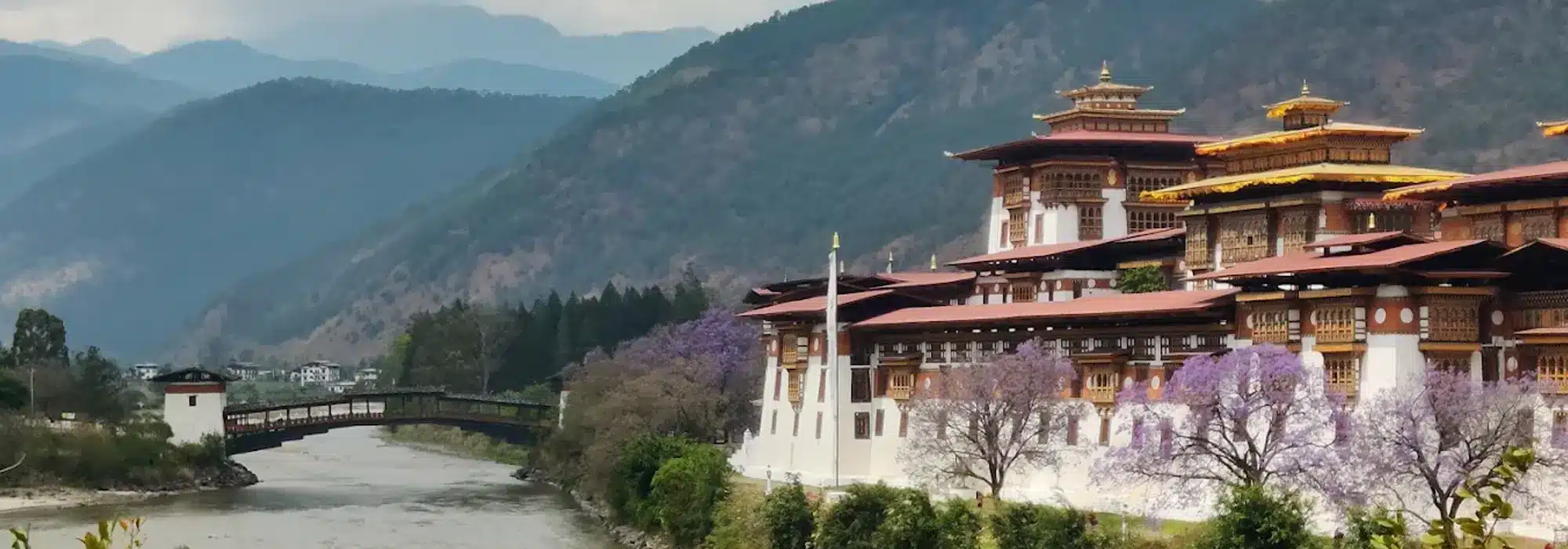
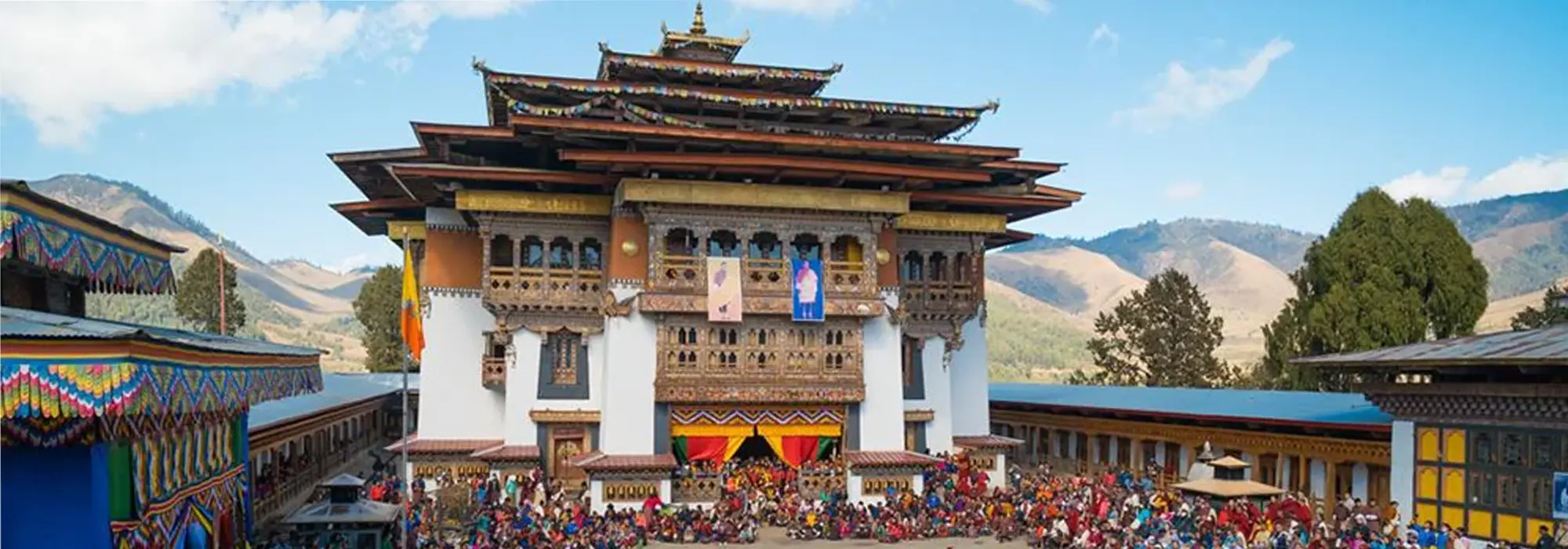
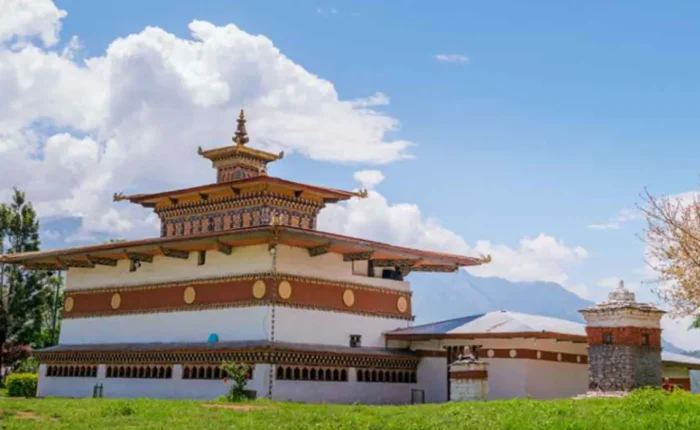
The 8-Days Cultural & Scenic Bhutan Tour is the best trip to the “Land of the Thunder Dragon” because it gives a perfect combination of culture, nature, and spiritual experience. This Bhutan cultural and scenic tour starts with a scenic flight to Paro, which will lead to Thimphu, the lively capital of Bhutan, where the traveller can explore the traditional markets, museums, monasteries and panorama points. It goes off from Thimphu along the Dochula Pass, which is lined with 108 chortens and stunning views of the Himalayan Mountains, to the fertile Punakha Valley, with the Grand Punakha Dzong and sacred Chimi Lhakhang.
The Bhutan holy valleys tour also includes a visit to the serene Gangtey (Phobjikha) Valley with its sweeping vistas and wintering black-necked cranes and the remote Haa Valley with her pristine monasteries, legends and authentic village life. Coming back to Paro, the visitors of this country gather cultural heritage by visiting Dzongs, temples, and museums and make scenic walks along pine forests and old paths.
The tour finishes with the hike to the famous Taktsang Monastery (Tiger’s Nest), which is a cliffside monastery above Paro Valley. The 8-days Bhutan tour trip is the perfect combination of sightseeing, easy hiking, and cultural experience, and the traveller will have nothing but wonderful memories regarding the Bhutan landscapes, its values and traditions, and hospitable locals.
Your 8-days Bhutan tour begins with a scenic flight into Paro, where you have an amazing view of the Himalayas. On arrival, visit Thimphu, the busy capital of Bhutan and stop briefly at the Tamcho Lhakhang, the confluence of rivers and traditional shrines called Chuzom. Arriving at Thimphu, you can have lunch and explore the major landmarks of the city in the course of a cultural and scenic tour of Bhutan.
Visit Buddha point, where you see the valley and the ancient Dzong of Simtokha, one of the oldest fortresses in Bhutan. Visit the Nunnery, the busy Centenary Farmers Market and the religious National Memorial Chorten. Finish the day with a visit to Zangtopelri Lhakhang and the magnificent Thimphu Dzong and get lost in the tradition and the beauty that makes this Bhutan sacred valleys tour so memorable.
On the second day, begin the day with the Painting School, where the students learn about Bhutanese arts, and then the Folk Heritage Museum and Textile Museum, where they can learn more about the culture of Bhutan and craftsmanship. Next, visit Takin Zoo, home to the national animal of Bhutan, followed by Sangay Gang Viewpoint, which offers a fantastic view of Thimphu Valley.
In this case, enjoy a nature walk on the trail of Sangay Gang-Tawangditse and around the old Monastery of Wangditse, one of the oldest monasteries in Thimphu. The 1.5 hour ride involves a combination of natural beauty and tranquil nature, together with a glimpse of the mighty spiritual origins of Bhutan.
On the third day, left Thimphu this morning and enjoyed a lovely view on our way to Punakha. We are crossing Dochula Pass, which gives beautiful sights of the chortens. Then go to the warmer valley of Punakha and visit the great Punakha Dzong, the way to which is reached at the meeting point of two rivers and can be regarded as the masterpiece of arts.
After this, cross the classic suspension bridge providing picturesque valley scenes and finally have a short but lovely hike to Chimi Lhakhang or the Fertility Temple. It will end with a walk in a village in Bhutan where you will get to experience the rural life in Bhutan and you will spend the night in Punakha.
On the fourth day, have breakfast and drive to Wangdue and visit the old Wangdue Dzong, one of the most beautiful places above the river. Continue into the silent Gangtey Valley, also known as Phobjikha Valley, and its immaculate natural scene and winter home of the threatened black-necked cranes.
The great Gangtey Monastery, a religious complex overlooking the valley, is worth seeing. The calming effect of the valley can be experienced in the afternoon when you take a refreshing 1.5-hour walk through the forests, meadow, and the quaint villages. The final thing to do on a day out is to visit the Black-Necked Crane Information Centre to learn about these rare birds. Overnight stay in the peaceful Gangtey Valley.
On the fifth day, start the day in Gangtey and drive to the Haa Valley, a relatively unknown part of Bhutan that is simple and plain. In this case, the White Temple (Lhakhang Karpo) and the Black Temple (Lhakhang Nagpo) should be visited. The temples are no exception and there are plenty of old tales to tell about both the temples and the locality.
Take a stroll around the Haa town, where people reside in small shops and ancient houses. The town is small and dull and demonstrates one aspect of life in the Bhutan villages. It is no town or village; it is an alpine beauty with lofty mountains on its borders. They are quiet and peaceful people. Have a night out in Haa and be one with the valley and its culture.
On the sixth day, drive back from Haa to Paro, a scenic journey through mountains and valleys. After the arrival, visit the serene Nunnery in Kila Goemba and then the fascinating Paro Museum (National Museum), which displays the rich Bhutanese history and culture. Go on to the unusual Dumtse Lhakhang in chorten form and the magnificent Paro Rinpung Dzong, an architectural masterpiece overlooking the river.
Later on in the afternoon, take a beautiful 1.5-hour hike that commences at the Paro Museum and includes a walk through the pine forests and traditional roads to Zurig Dzong before descending to the magnificent Uma Resort, where the hike concludes with breathtaking valley views.
On the seventh day, It is devoted to one of the most famous experiences in Bhutan: a walk to the legendary Taktsang Monastery (Tiger Nest), which is located on a cliff approximately 900 metres above the Paro Valley. The climb, as hard as it may be, is highly rewarding, with breathtaking views, quiet forest paths, and an opportunity to explore one of the most sacred places in Bhutan.
After seeing the monastery and experiencing the peaceful environment there, go down to Paro. During the evenings, you can have some spare time walking around Paro town, looking around at the local handicraft stores, and sampling traditional Bhutanese food.
On the final day, the journey through Bhutan ends after breakfast. You can use the rest of the time you have, depending on your flight schedule, to relax in the serene environment of Paro before choosing to visit the airport.
All departure formalities are handled by your guide and a seamless transfer will be established. When you fly to Bhutan, you carry the beautiful memories of the stunning landscapes, traditions and hospitality of Bhutan. Safe travels and Tashi Delek.
| No. of Pax | Starting Price | Enquiry |
| 1 pax | USD 1050 per person | Send Enquiry |
| 2 to 5 pax | USD 950 per person | Send Enquiry |
| 6 to 8 pax | USD 875 per person | Send Enquiry |
| 9 to 10 pax | USD 795 per person | Send Enquiry |