+1 (401) 328 1478 (Call/WhatsApp) info@auratrails.com

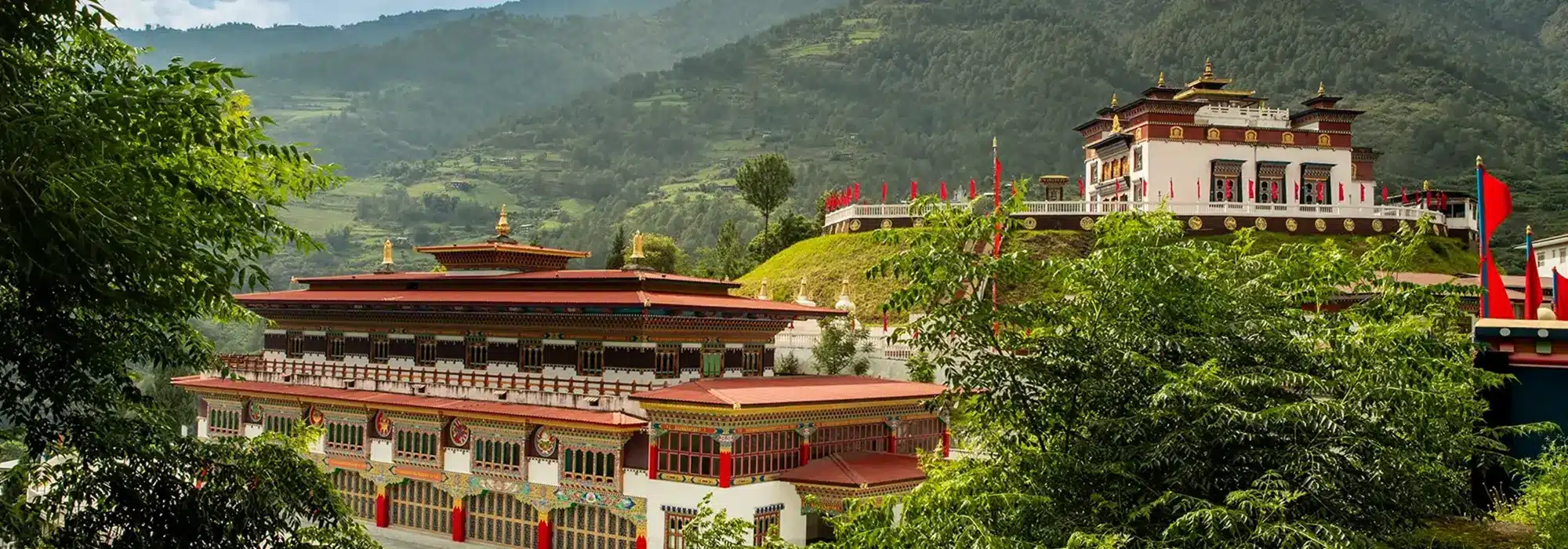
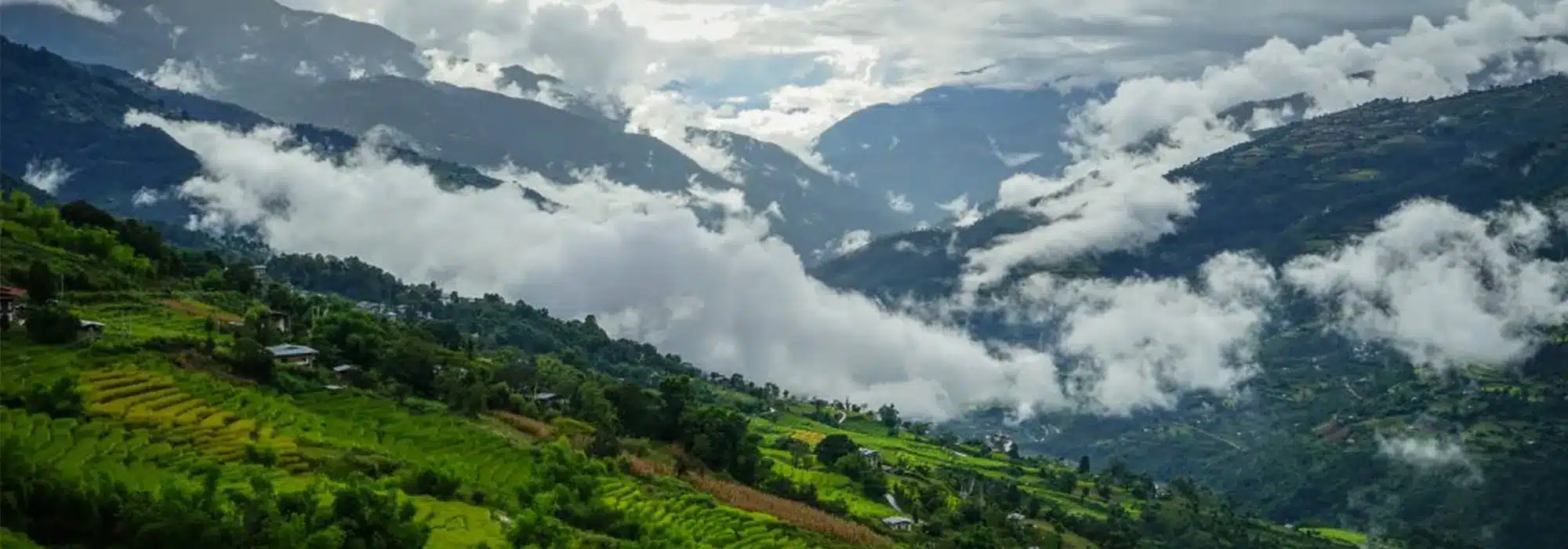
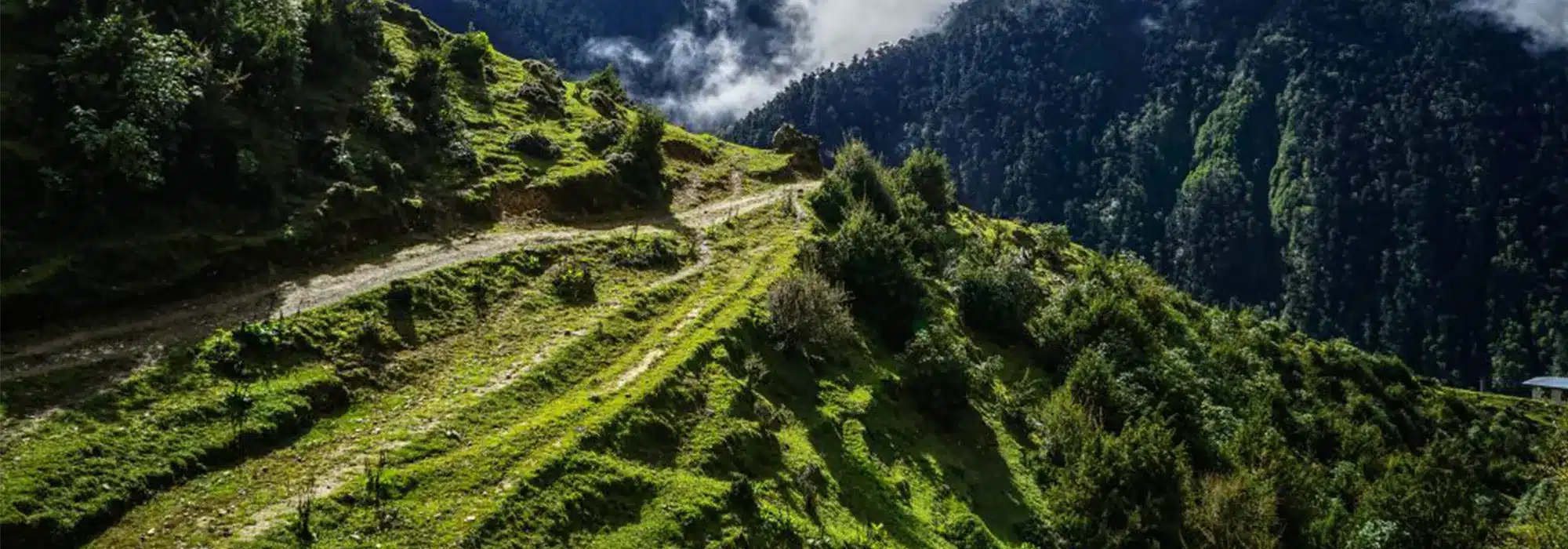

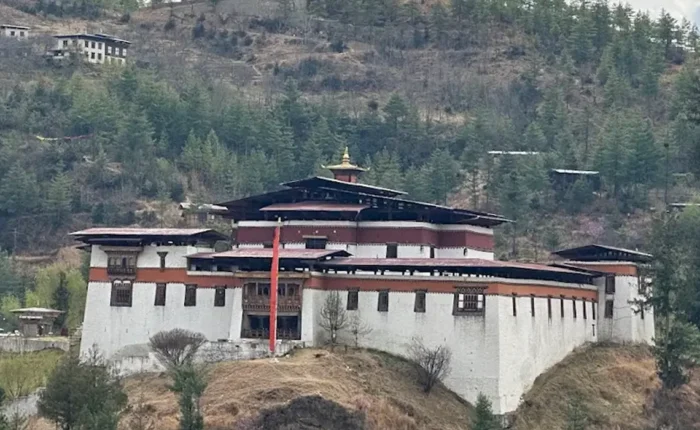
The 15 Days Laya-Gasa Trek in Bhutan is one of the most rewarding high-endurance journeys in Bhutan, where clean landscapes, remote villages in the Himalayas, and cultural experiences abound. Starting in Paro and continuing through Thimphu, the trek takes you through alpine meadows, yak herder settlements, and high mountain passes and also provides panoramic views of snow-capped mountains such as Mount Jomolhari.
You will also camp in the tranquil highland areas like Jangothang and Laya as you visit religious monasteries, rural villages and glacial rivers. The cultural immersion through the trek also involves the Laya area, where the indigenous people are called Layap and the Punakha Dzong, which is visited after the trek.
The 15 Days Laya-Gasa Trek Bhutan is an adventure trail that one would want to visit to enjoy the pristine wilderness of Bhutan, the beautiful Himalayan views, and the unique culture, and it is a lifetime trekking expedition within the Bhutanese Himalayas.
The adventure in Bhutan of the 15 Days Laya-Gasa Trek will start with a warm welcome upon arrival at the Paro International Airport. With the Himalayan mountains towering over it, Paro presents the ideal beginning of the Bhutan culture and scenery.
After the formalities in the airport, get transferred to your hotel and rest, enjoying the serene atmosphere of the valley. If there is time, you can walk in the town of Paro to enjoy traditional buildings, dancing prayer flags, and busy markets. Have a glimpse of the authentic Bhutanese cuisine as you get ready to take the trek.
This first day is important to acclimatize, do a few explorations, and absorb the spiritual atmosphere of Bhutan. The overnight stay in Paro will help you begin the trip with a fresh mind and attitude, ready to face the hiking experience you will be going through.
In the morning, walk to the famous Tiger’s Nest Monastery of Bhutan, which is set upon a steep cliff 900 meters above Paro Valley. The path goes through pine forests, prayer flags and mini falls and provides the physical challenge and spiritual peace. On arrival, visit the religious rooms of the monastery and enjoy the valley views.
The uphill journey gives one time to look back at the Bhutanese myths and the spectacular landscape. Going back to Paro, have a rest in a hotel and have local cuisine. The day will include immersion into the cultural heritage and relatively gentle hiking and acclimatization, which will be a memorable experience of learning about the spirituality of the area and will get your body ready for the high-altitude adventure that awaits you.
Start with a scenic two-hour drive to Shana, the starting point of your trek. Here the trail leads through fertile woods, terraced farmlands and small villages. You slowly ascend up the mountain and have beautiful views of the far mountains. During the route, you can see a cultural enrichment of your hiking path by local herders and prayer flags.
You arrive after 7-8 hours at Thangthangkha (3,645m) a peaceful campsite with majestic mountains and meadows. Your first night in the forest listening to the forest sounds. It is a tough day that preconditions the trek; the physical activity is mixed with the marvelous views that leave the trekkers with an impression of success and expectations of the highlands to come.
The route leads up through forests and expansive areas to Jangothang, the base camp of the mountain Jomolhari. On this road, one is amazed by the clean surroundings, the patches of yak herder villages, and the clear streams. The campsite is at a height of 4,180 meters and has a breathtaking view of Mount Jomolhari, which is one of the most holy mountains in Bhutan.
The clear environment, snow-white mountains, and grazing yaks form an inimitable mountain experience. It is a difficult but satisfying day that enables trekkers to acclimatize and, at the same time, take in beautiful Himalayan panoramas. Jangothang is a small, comfortable, and quiet place to stay, with dramatic views of Jomolhari in the streams near the hotel and starry skies.
Today is a good day to rest. Temporary ascents to Jangothang provide visitors with a chance to see the Jomolhari mountain and other nearby ranges. The scene is of alpine meadows, glistening streams, and grazing yaks. It is also an ideal time to take pictures, view wildlife, and have peace in high-altitude Bhutan.
You can walk to ridges near our camp or just go and rest in camp until your body adapts itself to 4,180 meters. The day offers an adventure combined with rejuvenation, providing a close connection to the Himalayas. A stay in Jangothang is a guarantee that the trekkers are sufficiently equipped to take on the subsequent demanding parts, besides spending an enjoyable time in the nature and calm area.
Passing Jangothang, a trail leads up at a gradual pace and over high pastureland to a traditional village of Lingshi. On their way, the trekkers have a spectacular sight of mountains, rivers, and the camps. The 4,010 meter Lingshi is among the remote settlements of Bhutan that have centuries-old dzongs and stone houses.
This day is a combination of cultural activities and hiking up and down alpine terrain. The scenery of camping is impressive and provides an opportunity to relax at night among high mountains. Trekkers get to learn the true life of the Bhutan highlands as they sleep under the stars and prepare for further climbs and high-altitude adventures awaiting them.
In modern times, the hike is slightly downhill from Lingshi and goes through meadows, little streams, and yak grazing areas. The path is moderate and provides a combination of walking and viewing the beautiful scenery. At 3,880 meters, Chebisa is a serene camp where trekkers get to enjoy the serenity of the remote highlands of Bhutan. On the route, we see traditional village life, prayer flags, and remote herder villages.
Following the high-altitude climbs, the day offers a relaxed hiking tempo, allowing for rest and ensuring acclimatization. After-sunset fascinations in the neighboring mountains and valleys create a quiet setting against which to contemplate and take photographs. The Chebisa night is serene, and the mountain air and the skies are clear for stargazing.
This route ascends to Shomuthang (4,220m), home to high ridges and alpine grasslands dotted with yaks. The section offers sweeping views of snow-capped mountains, glaciers, and pristine lakes. The climb is not too difficult, with some steep ascents and beautiful views.
On the journey, the trekkers can enjoy the serenity of remote Bhutan and view wildlife, such as blue sheep or Himalayan birds. High mountains encircle the campsite as you arrive at Shomuthang, giving the place a breathtaking Himalayan feel.
Evening at Shomuthang enables trekkers to get rest, have fresh air, and get ready to continue with successive trekking days. The day is a mixture of adventure, high-altitude trekking, and being one with nature.
Moving from Shomuthang, the trail leads across alpine ridges and high passes bathed in yak-grazing lands. Robluthang, at 4,160 m, is a quiet landing spot surrounded by magnificent mountain landscapes. Trekkers move through the placid highlands marked by the presence of small lakes, the flutter of prayer flags, and the occasional herder settlement.
The trek is moderately difficult, with a mix of straightforward and slightly steep ups and downs. Along the way are grand Himalayan vistas, gushing clear streams, and meadows adorned by snowy, pastel wildflowers. An evening at Robluthang is ideal for photography, reflection, and stargazing.
This section speaks to the completely untouched lands, where trekkers are offered a pristine Himalayan enchantment, the kind that blends so comfortably with adventure, serenity, and high-altitude magnificence.
Today’s hike follows alpine trails and high meadows, gradually descending to Limithang (4,140m). The path gives massive views of nearby peaks, glaciers, and yak pastures. On either side stand isolated villages and homes built in the traditional Bhutanese style.
It is a beautiful area to relax and enjoy nature. Being an easy-going trek gives a chance to get acclimatised while offering extraordinary opportunities for some good photography and spotting some wildlife. The surrounding majestic heights, filled with streams and valleys, will undoubtedly enhance your outdoor track experience.
If one can wind up an evening in Limithang, it would be a period of peaceful reflection amid splendid arrangements in the Himalayas.
The trek begins and descends to Laya Village (3,840 m), which is home to the Layap, the native people. Trekkers get to know traditional Bhutanese culture, stone houses, and yak-herding life. One walks, passing up high ridges, alongside little streams, and in meadows with prayer flags on them.
Culturally, Laya is able to teach about a community that has kept its traditions alive for centuries. The arrival in Laya is filled with an immense sense of achievement while offering a chance to get a feel for Bhutanese mountain life. The evening involves delighting in some local hospitality, having nice traditional local meals, and allowing the calm of the mountains to seep in. This experience makes it one of the most memorable stops on the trek.
This twelve-day trip is for rest and cultural exploration in Laya. Trekkers can interact with the Layap people, visit local villages, or hike the nearby ridges for panoramic views. The day offers an opportunity to review the layers of mountain air in the culture surrounding this remote Himalayan community.
The village is adorned with majestic views of mountains, yaks grazing to and fro, and streams of alpine lakes providing a perfect setting for photography and silent reflections. Here at Laya, resting prepares one for a long descent and a drive to Punakha tomorrow. The evenings in Laya are peaceful, under the blanket of starlight and imbued with the modest charm of the Bhutanese highlands.
Today’s trek concludes with a descent to Tashithang or a nearby army camp, followed by a scenic drive to Punakha. The trail passes forests, rivers, and terraced fields, offering varied landscapes and cultural encounters. In Punakha, visit the Punakha Dzong, one of Bhutan’s most beautiful fortresses, situated at the confluence of two rivers.
Evening is free to relax and enjoy the serene valley. This day blends trekking with cultural sightseeing, marking the end of your high-altitude adventure and the transition back to more accessible Bhutanese landscapes.
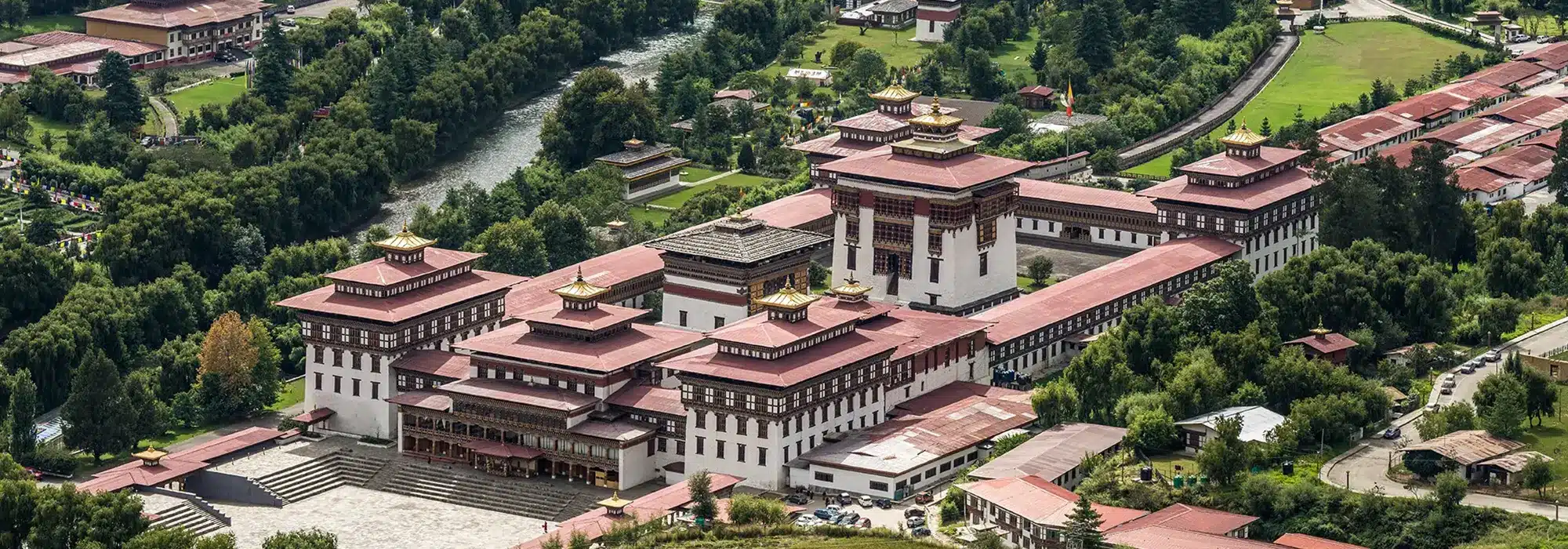
After breakfast, drive to Thimphu, the capital city of Bhutan, for sightseeing. Visit Tashichho Dzong, Memorial Chorten, and local markets to experience the blend of tradition and modernity. Continue to Paro Valley, enjoying scenic rivers, terraces, and villages along the way.
The day offers a relaxed pace, providing opportunities to reflect on your trekking journey and enjoy cultural immersion. Evening at Paro allows leisure time to shop, stroll, and savor Bhutanese cuisine, preparing for departure tomorrow.
The 15 Days Laya-Gasa Trek comes to an end today. After breakfast, you will be taken to the Paro International Airport, where you will be handed over to your next flight. Take a final look around and see the gorgeous valleys, prayer flags and Himalayan peaks.
The journey leaves you with unforgettable memories of adventure life in the highlands, cultural experiences, and peaceful scenery. Depart with a grateful heart for the natural beauty, spiritual richness and pleasant memories of trekking in Bhutan.
| No. of Pax | Starting Price | Enquiry |
| 1 pax | USD 1050 per person | Send Enquiry |
| 2 to 5 pax | USD 950 per person | Send Enquiry |
| 6 to 8 pax | USD 875 per person | Send Enquiry |
| 9 to 10 pax | USD 795 per person | Send Enquiry |